Choosing a Fabricator After Engineering Design (A Design Client’s Guide)
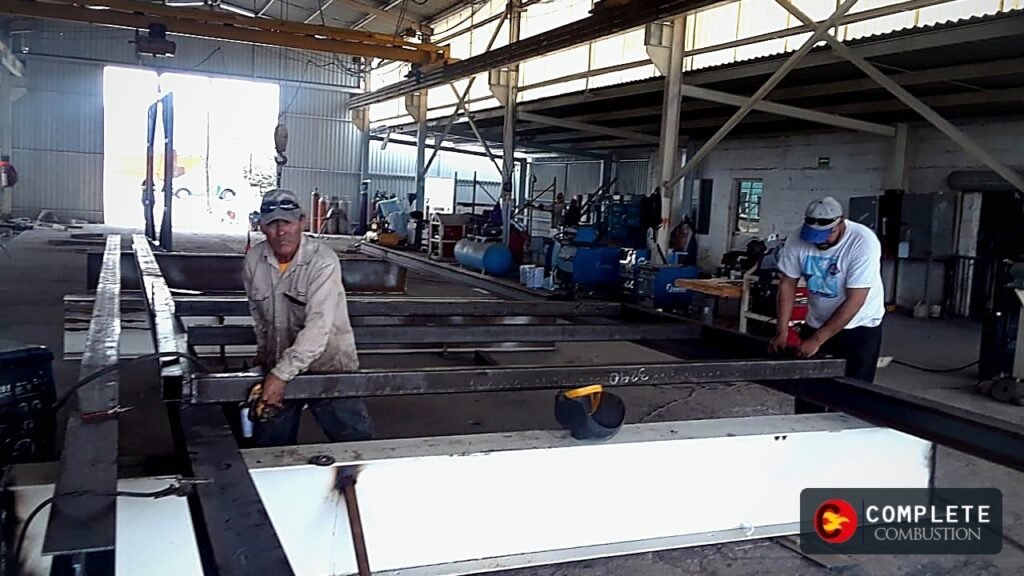
One advantage of working with a design engineering firm is that the fabricator selection stays entirely in your hands. But that freedom only pays off if you know what to evaluate once the engineering package is in hand. Here’s what actually matters when choosing who builds it.
Start With Scope-Matched Experience
Not every metal fabricator has built a fuel train to CSA B149.3 or welded pressure piping to the design’s specified code. Ask for references on projects of similar scope — combustion piping, pressure vessels, or furnace structural work — rather than general fabrication capability.
Questions Worth Asking Every Bidder
- Do you hold the required welding certifications (CWB, ASME) for this scope?
- Who is your TSSA-registered contractor of record, if applicable?
- What’s your typical lead time for a package of this size?
- Can you provide as-built redlines back to the engineer for record drawings?
Comparing Quotes on a Design Package
Because the engineering package defines scope precisely, quotes from different fabricators should be comparable line-by-line — a meaningful advantage over design-build bids, where scope definitions can vary between competitors and make true comparison difficult.
Keeping the Engineer in the Loop During Fabrication
Even with an independent fabricator, it’s worth keeping the design engineer available for RFIs and field-fit questions. Design doesn’t mean design-and-disappear — engineering support through construction and commissioning is usually part of the package.
Next Steps
A complete, unambiguous engineering package is what makes fabricator choice a real choice rather than a formality. That’s the entire point of keeping design and fabrication separate.